
REVIEW · GERMANY SEGWAY TOURS
Segway tour around the Werra horseshoe
History rolls beside the river here. This three-hour Segway ride links Lindewerra’s old stick-making trade with the former inner German border, while giving you easy views of the Werra, Ludwigsstein Castle, and a railway viaduct. I especially like the small group limit of seven and the way the route mixes outdoor scenery with local stories. The coffee stop at the Stockmanufaktur Michael Geyer is another smart touch.
The main consideration is weather. This is an outdoor activity on a Segway, so poor conditions can lead to a new date or a full refund. You also need to feel comfortable learning a balance-based vehicle, although the tour begins with a proper briefing and past visitors praised the clear instruction and safe feeling.
Key points at a glance
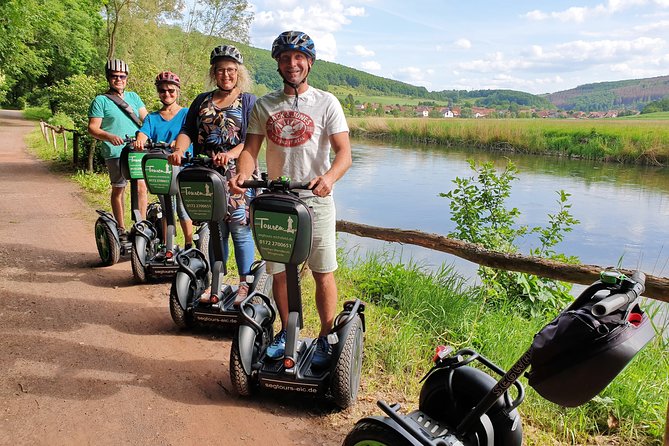
- A small-group ride: The tour accepts no more than seven people, which should make instruction and questions easier.
- A rare border-history setting: You follow parts of the former inner German border between Thuringia and Hesse.
- Lindewerra’s stick-making tradition: The village is known as one of Europe’s best-known stockmaking centers.
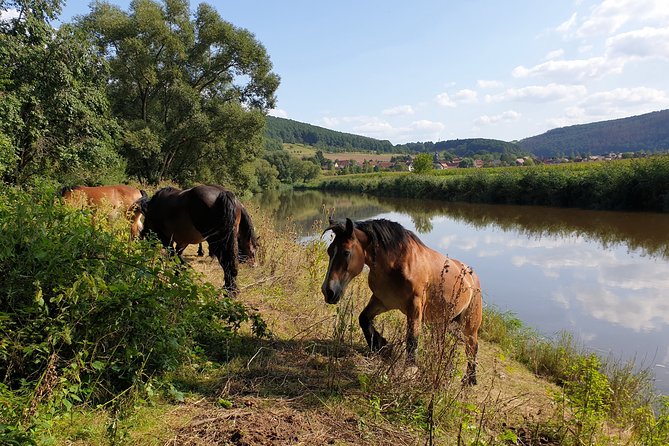
- A memorable Werra route: The ride follows the river loop toward the Whiskey-Vodka line, with views toward Ludwigsstein Castle.
- More than scenery: You see the railway viaduct in Werleshausen and hear about the Whiskey-Vodka railway line.
- A relaxed finish: Coffee at Stockmanufaktur Michael Geyer comes with a chance to see different stick models.
Why this short Segway tour works
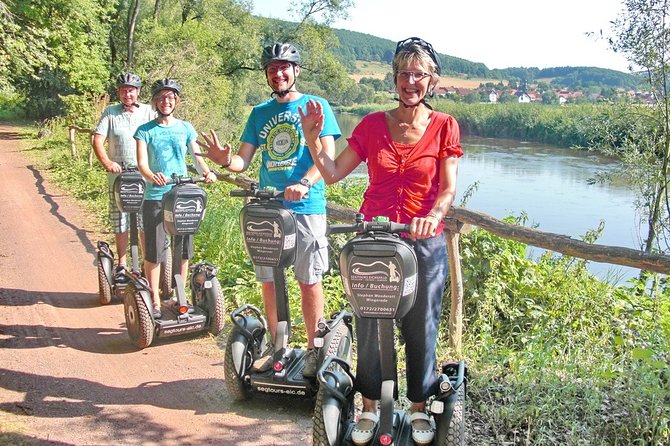
Many short outdoor tours give you one good view and little else. This one has a better mix. You get a hands-on ride, a village with a distinctive craft tradition, Cold War border history, river scenery, a castle view, and a café-style pause.
I like that the route does not treat the Werra as mere background. The river helps explain the shape of the tour. You begin at Wahlhausen, follow the bike path toward Lindewerra, circle the Werra loop, and then continue toward Werleshausen before returning for coffee. The ride has a clear sense of place rather than feeling like a random spin.
The format also suits a three-hour outing. You have enough time to stop and listen, but not so much time that the Segway ride becomes tiring or repetitive. The four main sections last about 30, 45, 30, and 30 minutes, with the remaining time used for movement and transitions.
A few more segway tours around Germany worth a look
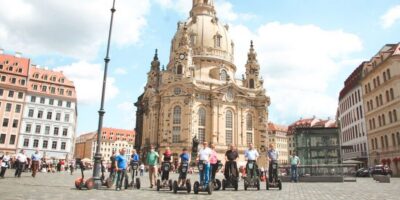
- Dresden: Segway Tour Along the Elbe and Old Town
★ 4.9 · 392 reviews - Heidelberg: Philosophers’ Walk Guided Segway Tour
★ 4.8 · 322 reviews - Munich: City Highlights Guided Segway Tour
★ 4.6 · 266 reviews
Starting in Wahlhausen with a Segway briefing
The meeting point is Fritz-Huschke-von-Hanstein-Platz in 37318 Wahlhausen. The experience ends back at this same point, so you do not need to arrange a second pickup location.
Your first step is a short introduction to the Segway. This matters. A good briefing can make the difference between spending the tour worrying about balance and actually noticing the river and villages around you. The ride follows a bike path along the Werra toward Lindewerra, giving you time to get used to the machine before the route becomes the main event.
The group size is limited to seven people. I see this as a real benefit for a Segway activity. The guide can watch how everyone is handling the vehicle, and you have a better chance to ask about the border, the villages, or the route without shouting across a crowd.
The tour is listed for daily operation from 8 a.m. to 7 p.m. between July 1, 2020 and June 16, 2026. Your booking confirmation is sent within 48 hours, subject to availability. The starting point is near public transportation, which is useful if you are staying in the area without a car.
Lindewerra and the art of making walking sticks
Lindewerra is the heart of this outing. It is widely known for stick making, and the village gives the ride a local focus that you would not get from a standard river excursion.
You learn how the stick-making trade shaped the village and see traces of the former inner German border. That combination is what makes the stop worthwhile. One story is about a traditional craft passed through a community. The other is about a political division that once cut through everyday life in this part of Germany.
The tour then takes you around the Werra loop. From the riverbank, you head toward the Whiskey-Vodka line, with Ludwigsstein Castle in view. The unusual name refers to the former border between the British and Soviet occupation zones, with the American and Soviet zones associated with the informal whiskey and vodka labels. The exact history is part of what gives this stretch its character.
You will want to bring a camera. The route includes several planned photo opportunities, especially along the Werra, near the railway viaduct, and with Ludwigsstein Castle. Since this is a guided ride rather than a race, you should have a chance to stop and take in those views.
One practical note: the tour is not built around a long museum visit or a formal castle tour. The focus is on riding through the area and hearing about what you see. If you prefer a full indoor history program, this may feel light. If you like history tied to actual places, the balance is better.
Werleshausen and the railway viaduct
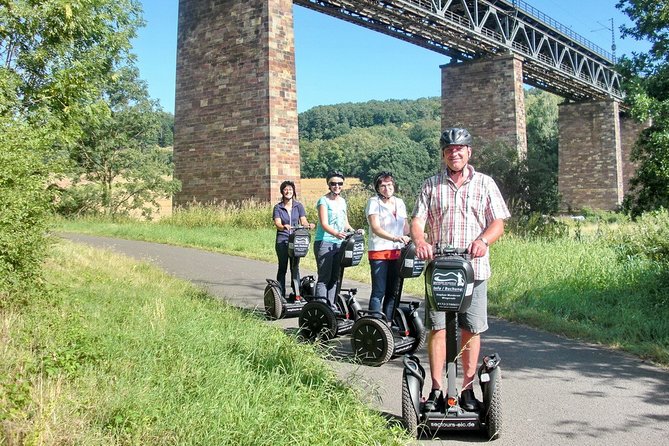
The next major stop is Werleshausen, where the route reaches the railway viaduct. This gives the tour another layer of transport history. You are not only following an old border zone, but also learning about the railway line connected with the Whiskey-Vodka route.
A viaduct is easy to appreciate from a photograph, but a guide can help you understand why it matters. Here, the structure becomes part of the story of movement through a divided region. Railways, rivers, roads, and borders all shaped how people could travel and where they could go.
The stop lasts about 30 minutes. That is long enough for an explanation and some pictures without turning the tour into a static sightseeing walk. The exact surprises at this point are left open, but the stated focus is the viaduct and the history of the railway line.
I like this part because it keeps the tour from becoming only a nature outing. The Werra views are attractive, but the built remains give you something to think about. You see how the area was connected, divided, and used over time.
Same place, a completely different route:
- Berlin 2-Hour Segway Tour
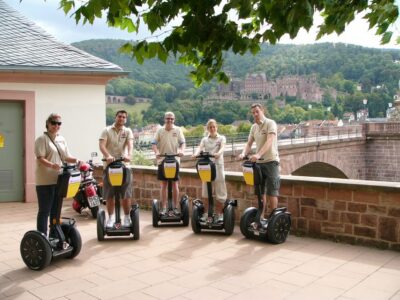
★ 4.6 · 238 reviews - Heidelberg & Neckar Valley: Segway Tour – 360 Degrees
★ 4.8 · 227 reviews - Munich 3-Hour Segway Tour: Nazi Munich & Royal Architecture
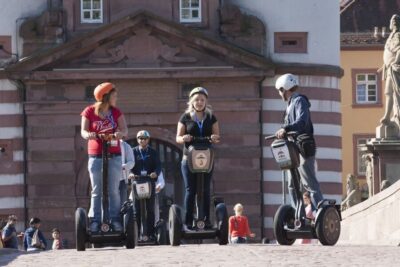
★ 4.9 · 194 reviews - Heidelberg Highlights Segway Tour with Castle
★ 4.8 · 191 reviews
Coffee at Stockmanufaktur Michael Geyer
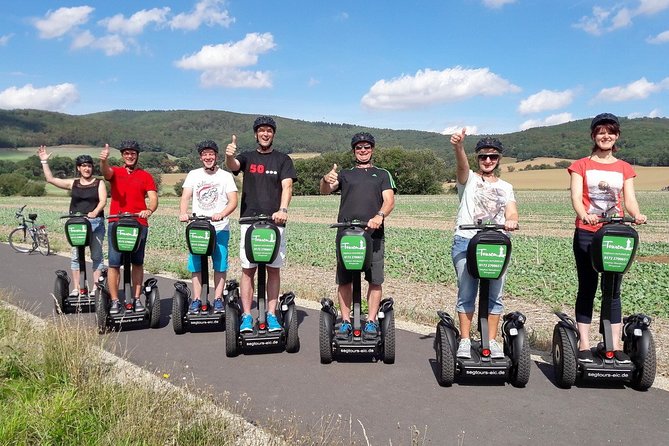
The final stop takes you to Stockmanufaktur Michael Geyer, described as the last stick maker from Lindewerra. Here, you can enjoy coffee in the shadow of the Devil’s Pulpit and view a range of stick models.
This is a fitting finish. Instead of ending with a quick return to the starting point, the tour gives you time to pause and connect the village’s historic trade with a working craft business. The coffee stop should also help break up the physical part of the outing.
The information provided does not state how much coffee costs or whether food is included, so you should not assume that the refreshment is part of the $80.29 tour price. The stop is described as a chance to enjoy coffee, but the cost and exact selection are not specified.
The display of stick models adds interest, especially if you want a tangible reminder of Lindewerra’s identity. This is more personal than simply hearing that the village once made walking sticks. You can see examples of the craft before heading back to Wahlhausen.
The views, the history, and the pace
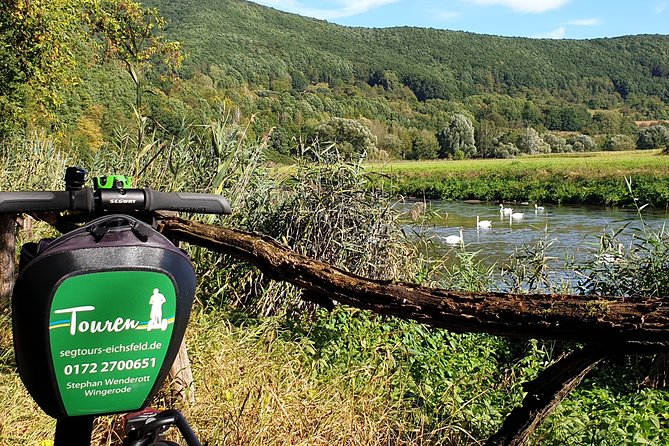
The route’s strongest feature is its variety. In three hours, you move through open river scenery, a historic village, a former border zone, a railway landmark, and a working craft setting.
The Werra loop supplies the visual appeal. The riverbank, castle view, and natural surroundings give you plenty of photo material. At the same time, the history keeps the ride from feeling empty. You learn why the border mattered, how the railway fit into the area, and why Lindewerra became linked with stick making.
The pace should suit people who want active sightseeing without committing to a full day. You are moving for much of the experience, but the stops create regular pauses. The tour is also short enough to combine with another activity in the region, though the exact timing of your chosen departure will determine how easily that works.
The guide is an important part of the experience. The feedback attached to this tour repeatedly praises the organization, the instruction, the route, and the friendly guiding. One particularly useful detail is that the briefing made participants feel safe from the start. That is exactly what you want before setting off on a Segway.
Is $80.29 a fair price?
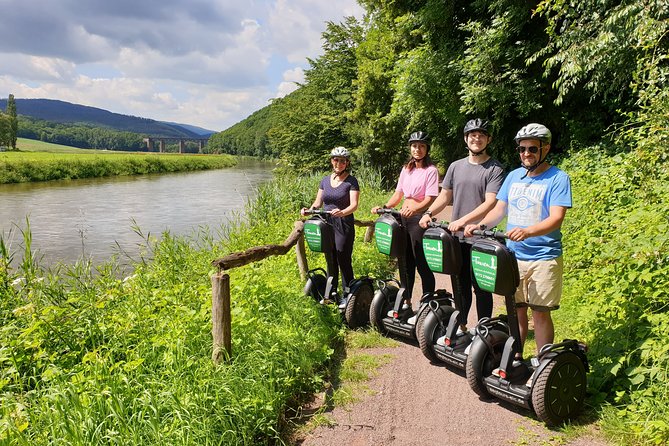
At $80.29 per person, this is not the cheapest way to see the Werra. You are paying for about three hours, a guide, Segway use, instruction, a small group, and a route that combines several sights.
I think the value is strongest if you would otherwise need separate transport or separate visits to see Lindewerra, the Werra loop, Werleshausen, and the border sites. The tour saves you from planning that route yourself and gives each stop context. The small maximum of seven also makes the price easier to justify than it would be for a large group.
The coffee should not be counted as an included benefit unless your final booking details say so. Treat it as a pleasant stop, with any drink or food payment handled separately.
For a couple or small group looking for an active half-day experience, the price is reasonable if you value the guide and equipment. If you mainly want a free riverside walk and casual photos, you may find the cost harder to defend.
Who should book this experience?
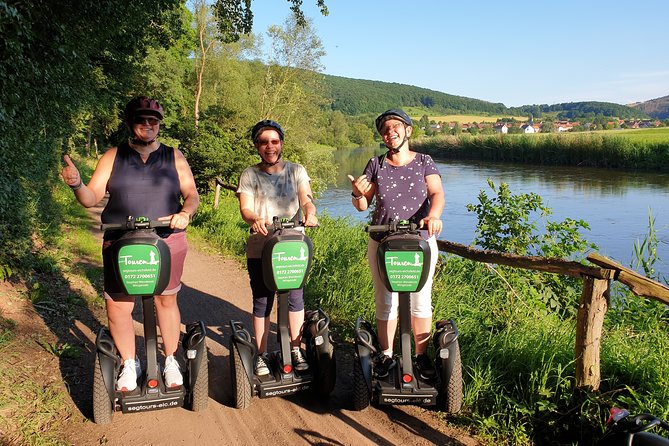
I would recommend this ride to adults and older children who want to combine outdoor time with local history. The activity suits people who enjoy seeing a place from several angles rather than spending the entire outing inside a museum.
It is also a good choice if you are curious about Germany’s former division but do not want a formal political history program. The border story appears along the route, tied to the villages, river, railway, and viewpoints.
The tour is less suitable if you dislike balance-based activities, want complete independence, or need a guaranteed outing in poor weather. The provider states that good weather is required. If conditions make the activity impossible, you are offered another date or a full refund.
Most people can take part, according to the activity details. Still, you should be honest with yourself about standing, steering, and learning a Segway before booking. The briefing helps, but it cannot remove the basic demands of the machine.
Timing, booking, and cancellation advice
The experience operates daily within the stated 8 a.m. to 7 p.m. window. It is often booked about 21 days ahead, so I would not leave it until the last minute if your schedule is fixed.
A mobile ticket is provided, which keeps the practical side simple. Confirmation arrives within 48 hours, subject to availability. The tour starts and ends at Fritz-Huschke-von-Hanstein-Platz in Wahlhausen.
You can cancel for a full refund up to 24 hours before the start time. Cancellations made within 24 hours are not refunded, and changes within that period are not accepted. Since weather can affect the outing, check the local forecast and keep your plans flexible.
My final take on the Werra horseshoe ride
This is a well-shaped short tour. The Segway adds fun, but the real appeal comes from the route: Lindewerra’s stick-making tradition, the former inner German border, the Werra loop, Ludwigsstein Castle, the railway viaduct, and coffee at a local stick manufacturer.
I like the small group, the clear introduction, and the mix of movement and stops. The main weakness is that the experience depends on good weather and on your comfort with a Segway. At $80.29, it is best for you if you want guided context and several sights in one outing, not simply a cheap way to get beside the river.
If that sounds like your kind of afternoon, I would book ahead and choose a day with a good forecast. You should come away with more than photos: you will have a clearer sense of how craft, transport, geography, and the German border shaped this corner of Thuringia and Hesse.
FAQ
Where does the Segway tour start?
The tour starts at Fritz-Huschke-von-Hanstein-Platz, 37318 Wahlhausen, Germany.
Where does the tour end?
The activity ends back at the meeting point in Wahlhausen.
How long does the tour last?
The experience lasts approximately three hours.
How many people can join the tour?
The maximum group size is seven travelers.
What places are included on the route?
The route includes Wahlhausen, Lindewerra, the Werra loop, the Whiskey-Vodka line, Ludwigsstein Castle views, Werleshausen, the railway viaduct, and Stockmanufaktur Michael Geyer.
Is coffee included in the price?
The tour includes a stop to enjoy coffee at Stockmanufaktur Michael Geyer, but the provided details do not say whether the coffee itself is included in the tour price.
What happens if the weather is poor?
The experience requires good weather. If it is canceled because of poor conditions, you can choose another date or receive a full refund.
Just added around Germany
- Munich’s Highlights 3-hour Segway Tour★ 5.0 · 76 reviews
- Segway tour Munich Beer Stories (3h)★ 5.0 · 3 reviews
- Munich Third Reich and WWII Segway Tour★ 4.5 · 20 reviews
- Beer Testing Segway Tour in Munich★ 3.5 · 2 reviews
- Munich 2-Hour Segway Tour★ 5.0 · 15 reviews
- Segway Tour Munich Old Town 3 hours★ 4.5 · 10 reviews
- 2-Hour Segway Discovery Munich Night Tour★ 5.0 · 2 reviews
- 2-Hour Segway Discovery Tour Munich★ 5.0 · 20 reviews
Germany Segway Tours, compared.
Heidelberg & Neckar Valley: Segway Tour – 360 Degrees
Read our review →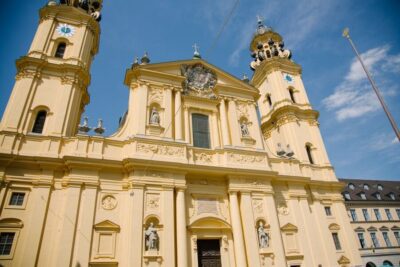
Munich 3-Hour Segway Tour: Nazi Munich & Royal Architecture
Read our review →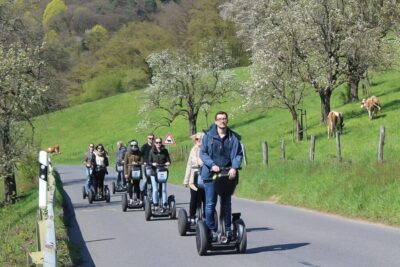
Browse the lists this tour appears in